James expected his hip replacement recovery to involve discomfort.
What he did not expect was swelling in his calf.
Several days after returning home, the swelling became more noticeable and his leg felt unusually painful. He contacted his healthcare team and was brought back for assessment.
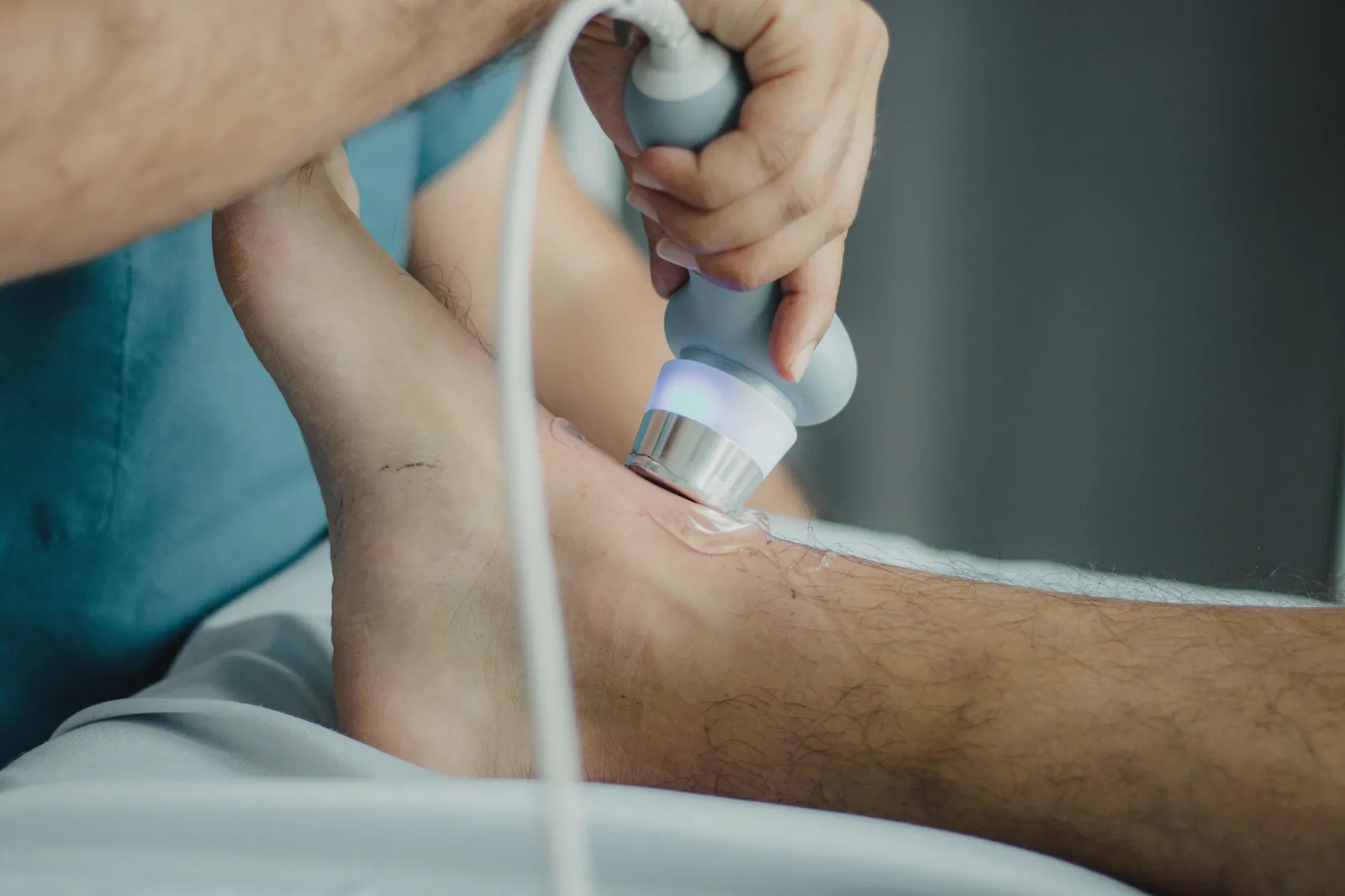
Doctors were concerned about a possible deep vein thrombosis, or DVT.
Blood clots are a recognised risk following hip and knee replacement. Depending on the circumstances, investigating a suspected clot can involve clinical assessment, diagnostic imaging and treatment with anticoagulant medication. A clot that travels to the lungs can become a medical emergency.
Fortunately, modern surgical pathways include measures specifically intended to reduce this risk.
But reducing a risk and eliminating it are not the same thing.
This is an important distinction for anyone considering private surgery.
Patients frequently ask their surgeon about the likelihood of a successful operation. They should. Surgeon experience, hospital quality, anaesthesia, rehabilitation and careful patient selection can all matter enormously.
There is another worthwhile question:
“If I am one of the small number of people who develops a complication, what happens then?”
For an insured patient, the answer may be relatively straightforward because their insurer remains involved.
For somebody funding their own operation, the position can be very different. Their initial surgical package may have defined boundaries, and subsequent investigations or treatment can potentially generate new costs.
Arthur Health exists to make that answer clearer.
With Arthur complication cover integrated into eligible surgical packages, covered no-fault complications remain insured for 365 days after the procedure.
It doesn’t change the medicine.
Your surgeon still determines what treatment is clinically appropriate. Your hospital still provides your care.
What changes is the uncertainty surrounding the financial consequences.
Because becoming unwell after surgery is stressful enough without wondering whether every additional scan, consultation or night in hospital is generating another bill.