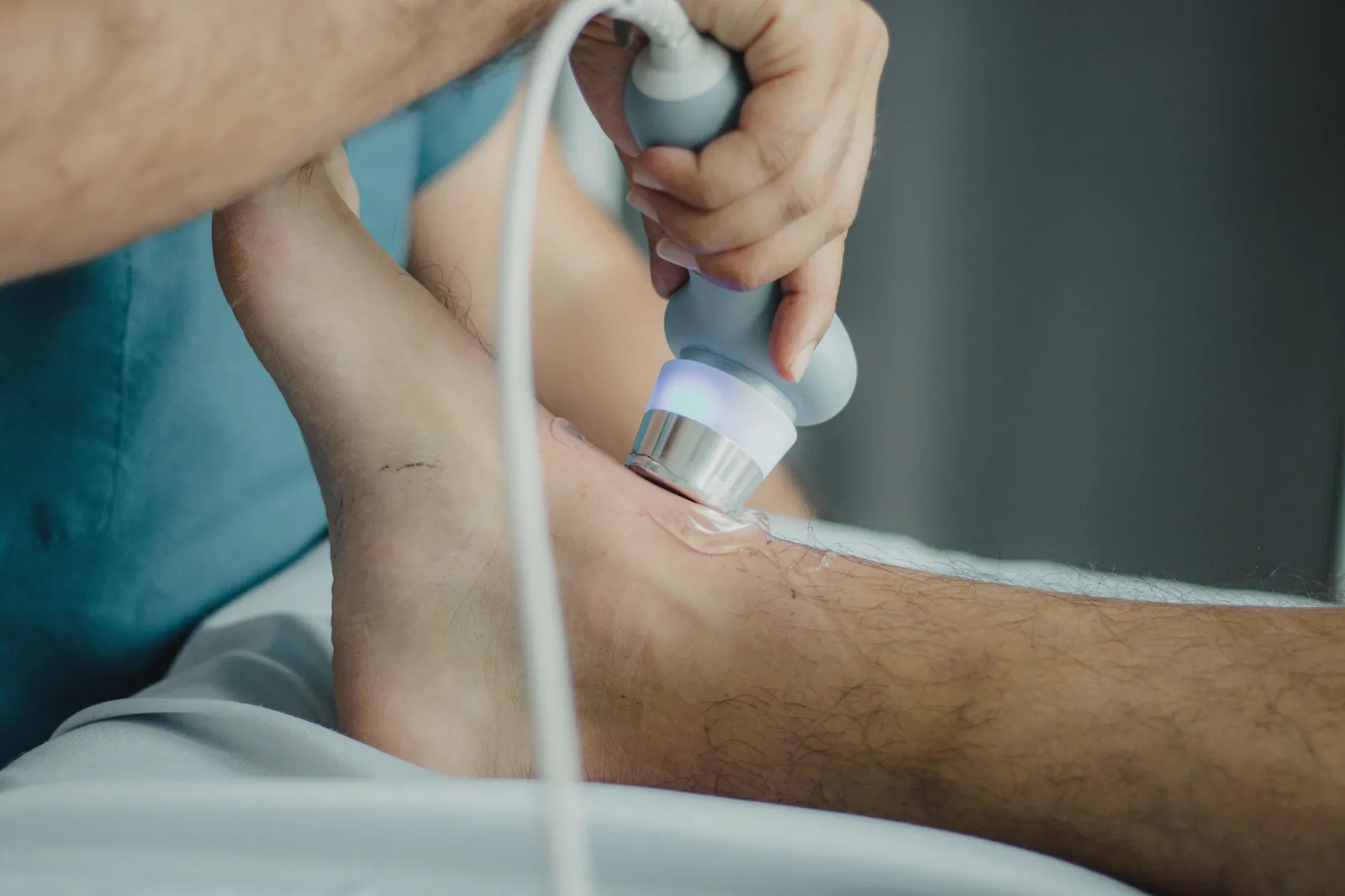
This is an illustrative composite case based on recognised complications following hip replacement.
For Margaret, the first few weeks after hip replacement felt transformational.
The arthritic pain that had dominated her life was gone. She was walking further every day and becoming steadily more independent.
Then, several weeks into her recovery, she moved awkwardly while getting up.
She immediately knew something was wrong.
Her new hip had dislocated.
Hip dislocation is an uncommon but recognised complication of hip replacement. It can occur during the early recovery period while the tissues around the new joint are healing. Assessment can require urgent imaging and the joint may need to be put back into position; recurrent or more complicated cases can sometimes require further surgery.
Margaret’s original operation hadn’t necessarily been performed incorrectly. Her recovery hadn’t necessarily been poorly managed.
Sometimes complications simply happen.
And that distinction matters.
Modern private healthcare rightly puts enormous emphasis on choosing experienced surgeons, sophisticated hospitals and evidence-based treatment. But even excellent medicine cannot reduce every risk to zero.
For self-paying patients there is another dimension: the financial consequences.
When purchasing surgery privately, patients understandably focus on the headline price of the procedure. Yet the original operation is only part of the potential cost if something unexpected occurs afterwards.
An emergency assessment may mean scans. Scans may mean treatment. Treatment may involve another anaesthetic, another hospital admission or, in some circumstances, another operation.
It is very difficult to predict that bill in advance.
Arthur Health approaches the problem differently.
For eligible procedures covered under an Arthur-backed surgical package, covered complications are insured for 365 days. The intention is simple: if something goes unexpectedly wrong, the clinical team should be able to concentrate on what needs to happen next without the patient simultaneously confronting uncertainty over the cost.
The overwhelming majority of patients undergoing hip replacement will never experience a complication of this severity.
That is exactly how everyone wants it to be.
But genuine peace of mind comes from knowing what happens not only when everything goes according to plan — but when it doesn’t.